
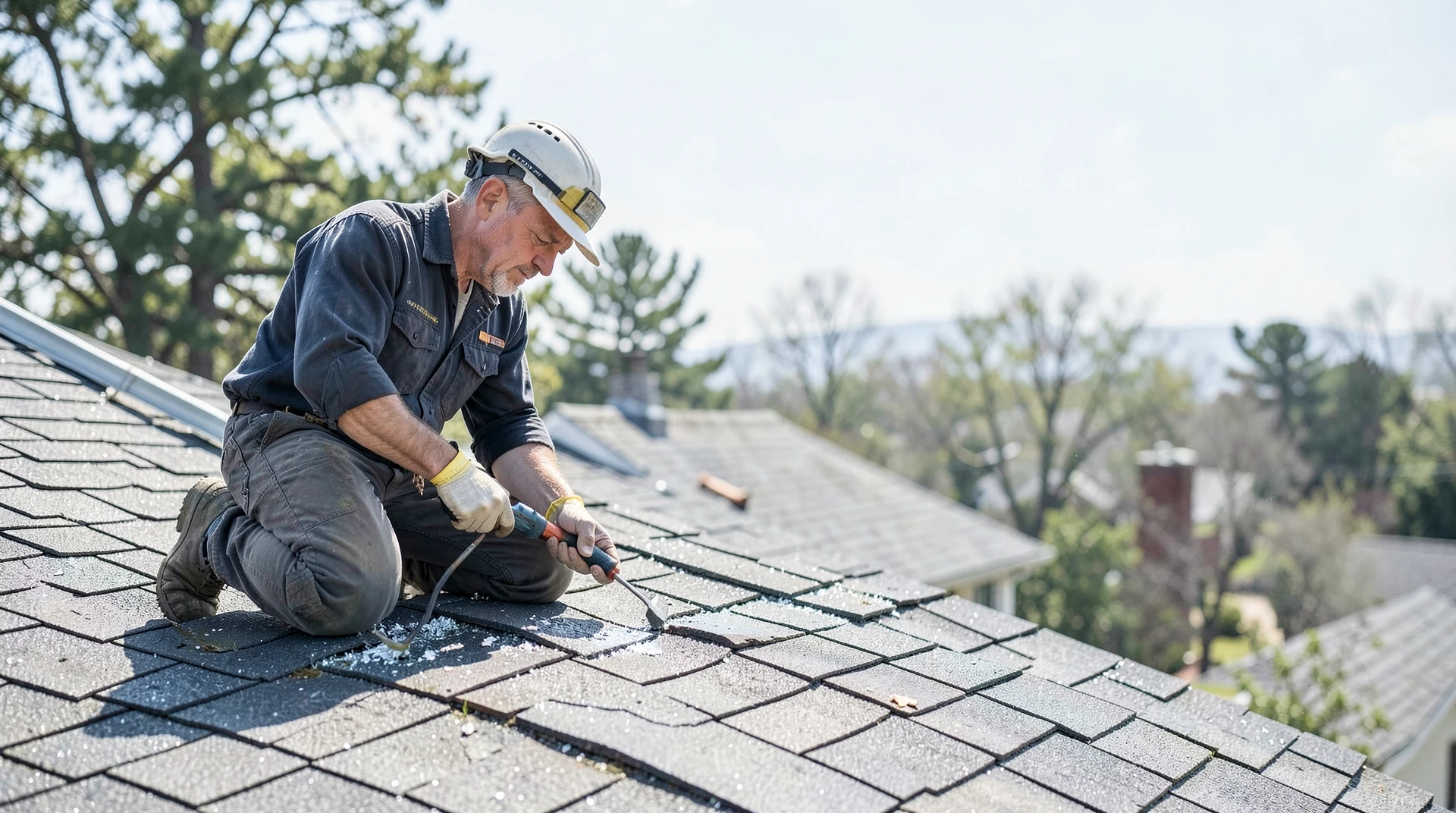
When Hail Damage Goes Beyond What You Can See: Understanding Nail Pops
The immediate aftermath of a severe hailstorm is always alarming. The sky has cleared, the yard might be littered with debris, and while you can see the obvious damage-the dents on your car or the scratches visible on your shingles-that visible portion only tells part of the story. It makes complete sense that when looking at your roof, your biggest worry is what’s happening under the surface. You are asking: Is the structure sound?
This hidden question points directly to a common and often overlooked issue: the nail pop. If you've ever heard this term, or if an insurance adjuster mentioned it with a furrowed brow, please know that it sounds more complicated than it is. Simply put, a nail pop isn't just a cosmetic flaw; it’s an indicator of structural stress where the fasteners-the nails or screws holding your roofing materials in place-have failed, pulled out, or been compromised due to extreme impact forces. These impacts, whether from large hail or high winds, exert incredible pressure on every single component of your roof system.
The core problem is this: The visible hailstorm damage you see (the bent metal, the broken shingles) is merely the symptom. The hidden nail pops are the warning sign that the roof system’s underlying integrity has been compromised, making a full professional assessment absolutely crucial before water can find its way in. As someone who works with roofs across Central Texas, servicing homes from established neighborhoods like Oak Lawn and Knox-Henderson, I've seen firsthand how these seemingly small failures quickly escalate into major leak points if they are ignored. We treat this not as a simple repair job, but as protecting your home’s long-term investment.
Your At-Home Inspection Checklist: Finding the Signs of Hidden Damage
While it is impossible for a homeowner to truly inspect what lies beneath the decking without specialized tools and tear-off access, there are several non-invasive visual checks you can perform that will help flag high-risk areas for us before we even step on your property. Thinking like a professional inspector means looking beyond the surface materials.
First, look closely at all penetration points. These are flashing or visible gaps around chimney stacks, vent pipes, and dryer vents. These spots are chronically high-risk areas where failure can start, regardless of hail damage. Look for any localized dips in the metal flashing or obvious separation between the building material and the roof membrane.
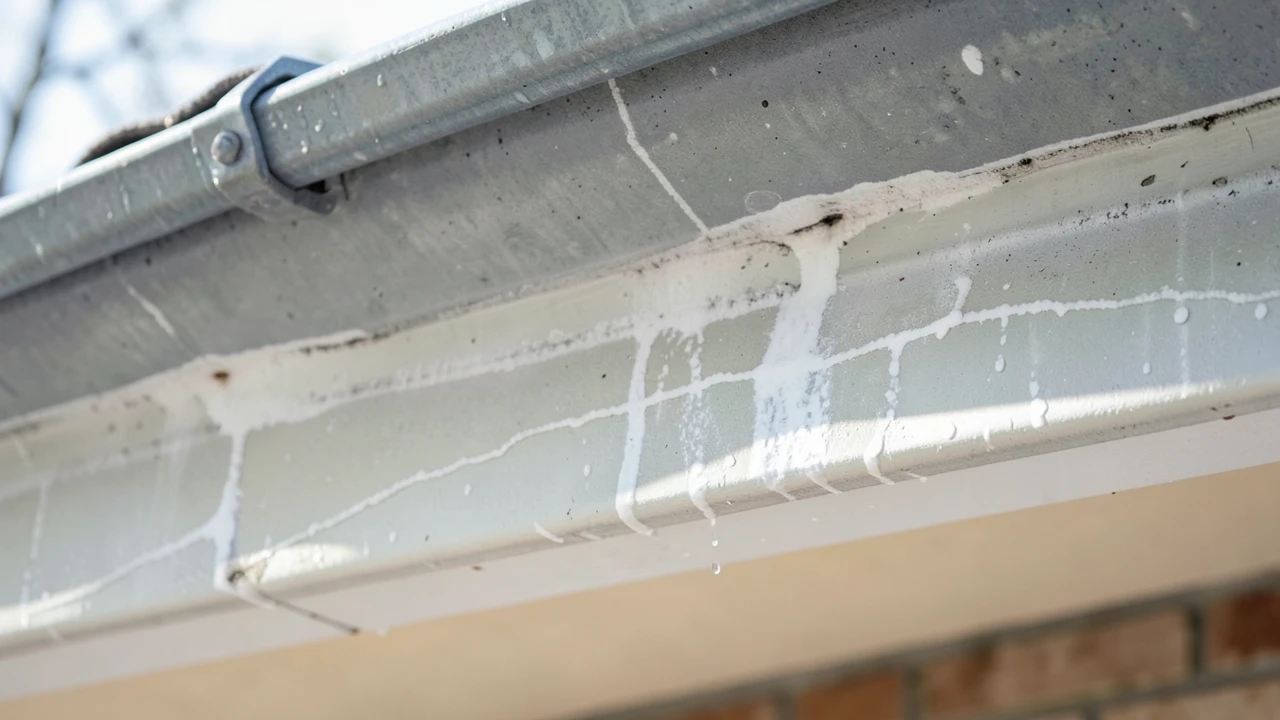
Second, focus on secondary signs that indicate water has been attempting to flow through the system. Don't just look at the shingles themselves; check your gutters for unusual sagging or discoloration of fascia boards beneath them. Are there streaks of mineral deposits-like white calcium lines-running down the walls under the eaves? These paths are telling you exactly where water flowed, and they point directly to a failure upstream.
Third, if possible, perform the "sound test." Wait until it rains again, and listen carefully for drips that seem to originate from one single, localized spot rather than running continuously down the entire roofline. This pinpoint dripping is a strong indicator of a specific, isolated failure-a classic sign related to compromised fasteners or nail pops.
If you find multiple signs across these categories, it means the underlying decking or support structure might be critically compromised and needs immediate professional review. These checks are designed to help you gather information for us, making our initial assessment more efficient and focused.
Why Nail Pops Are More Than Just a Surface Issue: The Threat of Water Intrusion
Many homeowners view roofing issues as purely aesthetic-just needing patching or replacing the visible material. This is perhaps the most costly misconception we encounter. A small nail pop, which may seem insignificant after a severe hailstorm, is actually a direct conduit to disaster.
Here is how that process unfolds: The initial crack allows water entry. That water doesn't just drip; it penetrates deep into the decking and eventually begins the slow, silent work of rotting the wood structure underneath. This leads inevitably to structural instability. Eventually, pieces of your roof can sag or even collapse-a truly expensive problem far beyond the scope of a simple shingle replacement.
Once water gets inside the void space beneath the roof deck, secondary damage takes root: mold and mildew. These are not only serious health hazards for anyone living in the home but also exponentially increase repair costs because they require specialized remediation before any structural work can even begin. This is where prevention pays off; fixing a nail pop today saves you from battling mold and rot next year.
To illustrate this cost difference, I recall working on a property in Bishop Arts recently. The owner was concerned about a minor section of flashing damage that looked like nothing more than surface wear. We found three small, compromised fasteners-minor pops. By addressing those few nails proactively, we prevented the water from reaching an area of decking that would have required complete replacement within six months, saving the homeowner not just thousands in labor, but potentially tens of thousands in structural remediation later on for quality Commercial Roofing in Bishop Arts District, TX.
Ignoring minor nail pops means you are inevitably dealing with major structural repairs-deck replacement, flashing overhaul, and often gutter system overhauls-which drastically drives up the overall roof replacement cost and diminishes your home's long-term curb appeal. We aren't just patching holes; we are protecting your home’s core structure. When living in an established neighborhood like Lakewood Heights or Knox-Henderson, maintaining that structural integrity is absolutely paramount to preserving value.
Moving Beyond Quick Fixes: Selecting a Storm-Resilient Roofing System
After any severe weather event-be it hail, high winds, or torrential rain-simply patching the holes and replacing only the damaged sections isn't enough. The entire system has taken a cumulative impact load that must be assessed for overall resilience. You need to shift your focus from repair to prevention.
This is why understanding the best long-term roofing systems is so crucial. We specialize in selecting premium material options tailored specifically for the intense, cyclical weather patterns found here in Central Texas. For instance, while standard asphalt shingles are perfectly adequate for many homes, if you live in an area that experiences high impact stress frequently, considering a standing seam metal roof offers unmatched durability and continuous structural integrity. Similarly, upgrading to modern, high-impact asphalt shingles can provide superior resistance compared to older materials. These aren't just material choices; they are long-term investment decisions.
Our approach to replacement is always meticulous. It doesn't start with the shingle layer. It starts with removing compromised sections and thoroughly assessing the decking underneath-reinforcing it if necessary, and ensuring that every flashing point is addressed for impact resistance. We are experts in comprehensive storm damage roof repair, because we know what structural failure looks like when it happens to a high-value property.
Whether your home is located near the vibrant heart of the Bishop Arts District or situated further out in areas like White Rock Lake, severe weather patterns require durable materials that can withstand continuous stress. This robust roofing system becomes one of the most critical centerpieces of our company’s overall value and peace of mind.
The Expert Assessment: Your Next Step After Severe Weather
It is incredibly hard for homeowners to determine if they need a full roof replacement after seeing storm damage, or if a targeted, minor repair will suffice. This decision-making difficulty is exactly where we step in. It requires specialized knowledge that goes far beyond what can be seen from the ground.
Our professional inspection process doesn't just look at the areas you point out; we use specialized equipment and decades of accumulated knowledge to identify those hidden failures-including pinpointing every potential instance of nail pops, flashing degradation, and structural compromises. We are looking for the whispers of failure.
We know that dealing with storm damage is stressful, especially when you aren't home or when coordinating insurance claims feels like a full-time job. Because we understand this stress, our emergency response protocols are designed to be fast, discreet, and ensure site cleanup is absolutely meticulous. Our crews respect your property as much as it is ours.
We believe in proactive care. As an old saying goes: "An ounce of prevention is worth a pound of cure." That wisdom applies perfectly here. Don't wait for the next drop or the next visible sign of deterioration-don't wait until the small leak becomes a major mess. A professional, thorough inspection today is the most cost-effective way to secure your home’s long-term protection and keep that premium curb appeal you love in Bishop Arts District.
By Caleb Mendoza, Roofing Expert with 24 Years of Central Texas Experience.