
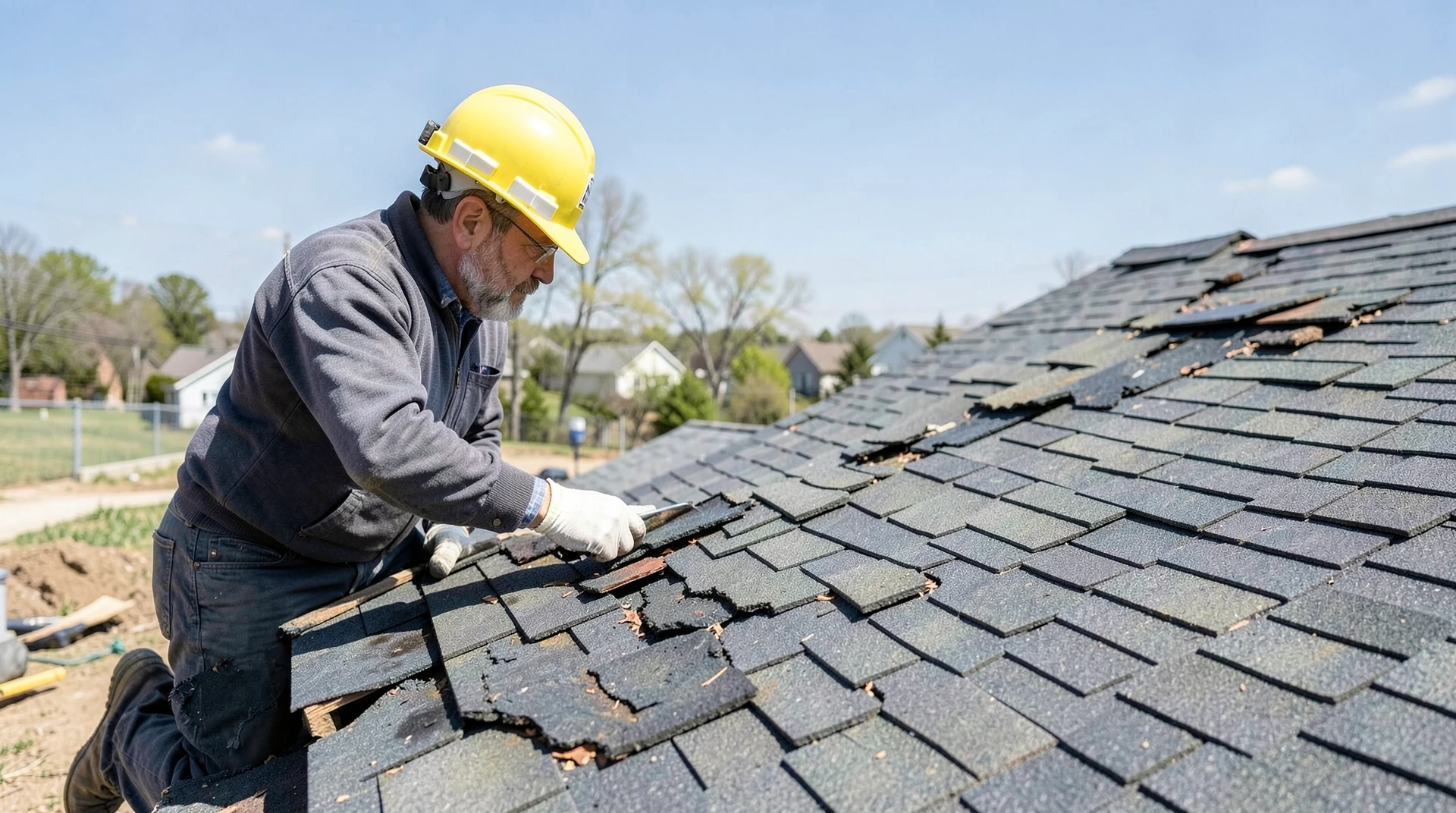
When the storm clears and the initial shock wears off, the next part of the process can be far more stressful. A hail-damaged roof inspection-whether it’s minor cosmetic damage or something that reveals deep structural issues-can feel overwhelming. It suddenly makes you confront a massive potential expense for your biggest asset. If you're staring at reports and estimates, asking yourself who to believe, please know this: you are not alone, and more importantly, panic is the single most expensive thing you can do right now.
I’ve spent nearly two decades working with roofs across Central Texas, seeing everything from simple shingle wear in Lakewood Heights to major storm damage near Knox-Henderson. I've seen homeowners get trapped by confusing estimates, pressured into unnecessary upgrades, and ultimately regret the service they chose. The goal of this guide is not just to replace materials; it’s to empower you with knowledge. We want you protected, informed, and confident in every step of restoring your property’s value and curb appeal. For comprehensive guidance on local roofing needs, reviewing options from Devonshire roofing solutions can be a helpful starting point.
Understanding the Inspection: What Does 'Revealing Issues' Actually Mean?
When a contractor says an inspection "revealed issues," it can sound vague and alarming. You need to understand what they should be looking for-and why that goes way beyond just counting damaged shingles. A professional needs to treat your roof like a complex, interconnected system, not just a blanket of material.
The critical difference between a basic assessment and a thorough one is the depth of investigation. Visible damage (missing granules, cracked shingles) only tells half the story. The real concerns often lie underneath:
- Flashing Failure: Flashing metal around chimneys, vents, or transitions is the roof’s weak point. Hail impact can cause rust or minor gaps here that lead to leaks months later.
- Underlying Decking and Sheathing: Severe hail impacts-especially those accompanied by high winds-can warp or compromise the structural wood layer beneath your roofing materials. This is a structural concern, not just a cosmetic one.
- Water Intrusion Points: The inspection must focus on identifying potential pathways for water entry that might only become active during the next heavy rainstorm, even if the roof looks fine today.
If an inspector only walks around quickly and simply points to visible damage, they are providing insufficient service. When evaluating potential contractors, you need someone who acts like a forensic investigator, assessing the entire system from top to bottom. A true expert will explain why compromised flashing is more dangerous than twenty missing granules.
The Red Flag Checklist: Signs of Deeper Problems
To help you assess what’s truly concerning your home, here are 3-4 concrete signs that suggest a problem beyond simple repair:
- Patch Staining or Efflorescence: Discoloration on the siding or near gutter lines suggests water has found an entry point and traveled down the structure.
- Unusual Gaps in Flashing: Look for gaps where metal components meet wood fascia-even if they are small, they can be exploited by repeated freeze/thaw cycles or wind-driven rain.
- Soft Spots (Structural): If you ever suspect a spongy feel when walking on the roof surface (or hearing unusual noises during high winds), this suggests compromised decking beneath the material.
- Systemic Component Fatigue: This refers to aging components like old vent pipes or improperly sealed pipe penetrations that are now stressed by the storm damage and require immediate replacement regardless of visible hail marks.
Navigating the Storm Damage Diagnosis: Questions to Ask Your Contractor (And Which Ones to Ignore)
This is where most homeowners get into trouble, often feeling pressured, misled, or simply confused by terminology like "underlayment remediation" or "structural integrity assessment." Your homework here is critical. Before you sign anything, treat yourself like a highly skeptical property manager-because right now, you need to be.
Due Diligence: The Contractor Checklist
Instead of letting the contractor lead the conversation from an emotional standpoint ("This needs replacing immediately!"), take control by asking these specific questions:
- Licensing and Insurance: Are you fully licensed and insured for high-value properties in Central Texas? Ask to see proof of current liability coverage.
- Remediation Process: Do your crews use certified, specialized techniques for storm remediation? (A good contractor should be able to detail their process step-by-step.)
- Material Specifics: Can you provide a detailed breakdown that itemizes the cost of labor vs. materials, and explain why this specific material is superior for our local climate variability?
Addressing Over-Upselling Fears
The fear of being unnecessarily upsold (or "over-upsold") is completely valid. To combat this, always ask these questions:
- "What parts of the current roof system are merely cosmetic repairs versus what are critical structural fixes?"
- "If we choose Material A over Material B, how does that difference affect our long-term maintenance schedule in Bishop Arts?"
A genuinely trustworthy contractor will provide detailed visual documentation-before photos showing the damage points, and during photos demonstrating their meticulous labor process. They won't just give you a price; they will give you transparency. I recall one time working near White Rock Lake where an initial estimate was ballooned by three times simply because the sub-contractor failed to identify compromised flashing; it taught me that asking "Why this?" is your most powerful tool.
Beyond Asphalt: Matching the Right Roofing System to Your Bishop Arts Home
When we talk about replacing a roof, people default to thinking of asphalt shingles. But roofing in an established neighborhood like yours-a place with unique architecture and varied materials-requires considering much more than just cost-per-square-foot. Remember this: the best roof isn't about the cheapest material; it's about matching the right system to how your home actually lives in this Texas climate.
For homes in the Bishop Arts District, where aesthetics meet variability (hail one year, extreme heat the next), you should look at three primary investment categories: For homeowners needing reliable help with roofing in this area, knowing where to find trusted roofing services near you can be a great starting point.
- Premium Architectural Shingles: These are an excellent step up from basic materials. They offer better wind resistance and a more uniform, established aesthetic that complements older homes while providing necessary modern protection against hail damage.
- Standing Seam Metal Roofing: This is often the ultimate long-term investment. While the upfront cost is higher, metal roofs boast unmatched longevity (50+ years) and can be highly customized to match historic or contemporary architectural styles. They handle extreme temperature swings better than asphalt and are extremely durable against hail impacts.
- Slate or Tile: These options offer unparalleled curb appeal and historical authenticity, making them perfect for preserving the high-end character of your neighborhood.
Always frame this discussion around protecting home equity. A superior roof is not merely an expense; it's a permanent asset that enhances your property’s appeal year after year. Never forget that no matter how premium the material is, quality installation-proper flashing, meticulous venting, and correct pitch management-is genuinely 90% of the entire job.
From Diagnosis to Restoration: Minimizing Disruption and Maximizing Peace of Mind
Let's talk about the physical reality of this process. A major roofing project is messy. It’s loud. It requires your life to be temporarily inconvenienced, which adds immense stress on top of dealing with storm damage. A truly professional crew understands that they are working on a valuable piece of your home and treats it like such. For larger structures, understanding the nuances of multifamily roofing services is essential to ensure comprehensive protection.
When you hire for restoration, look specifically at their plan for minimizing disruption:

- Meticulous Cleanup: They should detail how debris is removed daily, not just left to accumulate until the end. The site should be cleaned better than when they arrived.
- Protective Measures: Proper protective coverings for landscaping, window sills, and high-value fixtures are non-negotiable.
- Timeline Clarity: Good contractors provide clear, realistic timelines: "Teardown will take three days; installation will take five to seven." Avoid vague promises like "as soon as possible."
Finally, never just accept a warranty. You must understand the difference between manufacturer warranty (which covers material failure) and labor warranty (which covers faulty workmanship). A reputable local contractor, like us here in Bishop Arts, knows this distinction intimately and will walk you through it so you know exactly who is backing your investment years down the road.
Your Next Steps After Inspection: Building Confidence in Your Roof's Future
If you are currently finding trustworthy help after hail roof inspection reveals issues, please take a deep breath and internalize this advice: Do not sign any contract immediately. The best defense against costly mistakes is organized due diligence.
- Gather the Data: Take every estimate home. Use your checklist (the one we discussed earlier) to compare them side-by-side.
- The Second Opinion Rule: It is highly advisable to get at least two independent professional assessments. Crucially, use these consultations purely as information gathering sessions, not just price comparisons. Ask the same technical questions of everyone you meet.
- Trust Your Gut: If a contractor makes you feel rushed, dismissive, or pressured into immediate action, that is your biggest red flag. A good partner will take the time to educate and reassure you.
We understand that this process-from initial hail damage revelation to final roof installation-is emotionally taxing. We want you to focus on restoring peace of mind, not worrying about contractor contracts. If you need guidance through storm assessment or are ready to start planning your long-term roofing investment in the Bishop Arts District area, we provide a transparent process designed to protect both your home and your wallet. Give us a call at +1 469-589-3827 or visit us at 817 Melba St, Bishop Arts District, TX 75208 for an honest assessment that focuses on lasting value.