
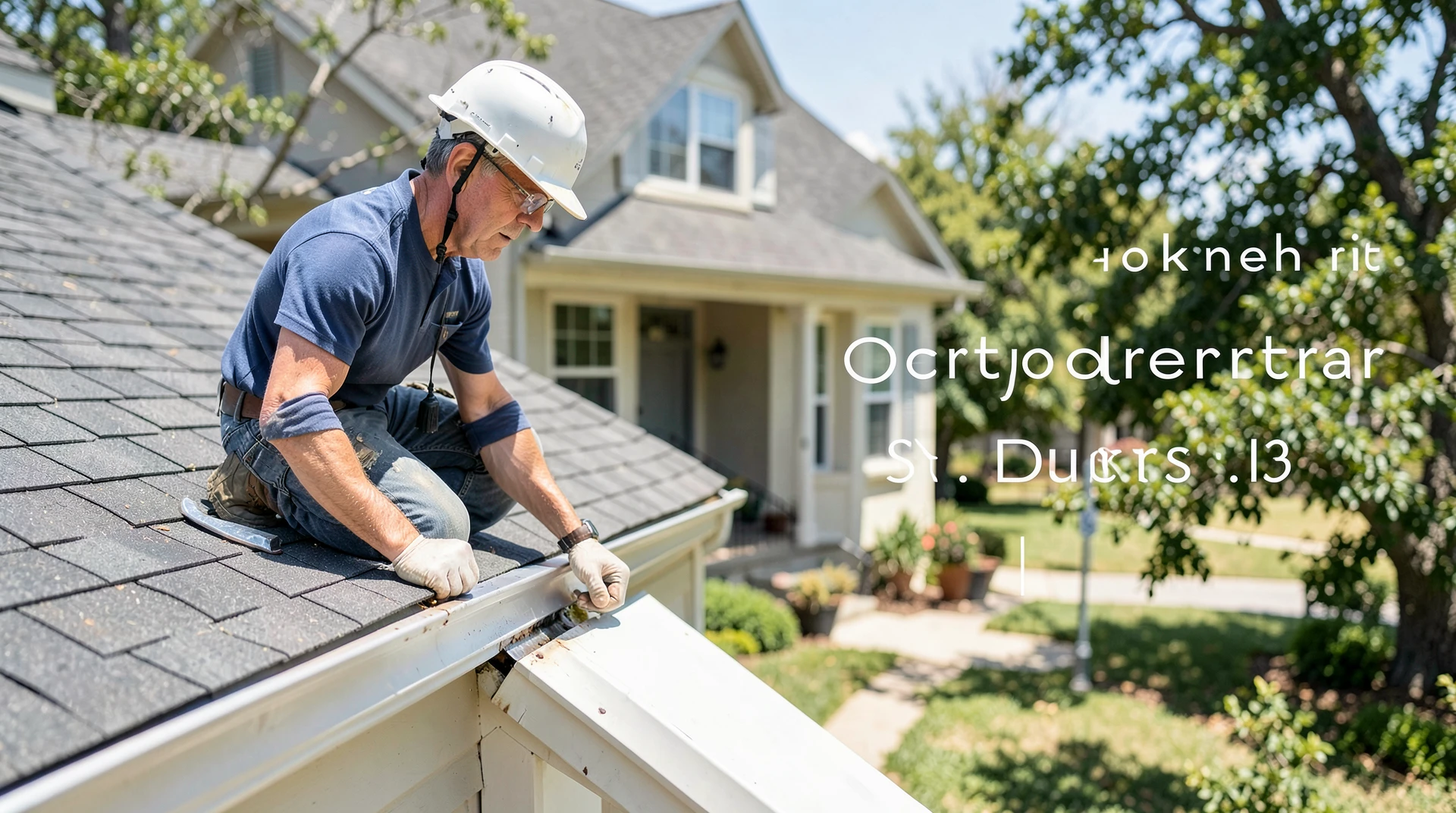
When a sudden storm hits, or worse, when you walk into your beautiful home in Oak Lawn or Knox-Henderson and see the first tell-tale drip of water, it is inherently stressful-disruptive to your life and unsettling for your peace of mind. You immediately start worrying about the worst: mold, structural damage, and an astronomical repair bill. It’s natural to feel panicked and assume that any immediate fix will solve everything. But here at Rock Line Roofing, having spent decades working with roofs across Central Texas, I see this panic-induced decision all the time. The truth is, while an emergency patch will address the visible leak today, it often fails to address the underlying systemic issues-like flashing degradation or gutter overflow-which is where true cost savings are found. Before you call a contractor in a rush, understanding the difference between reacting to damage and proactively investing in your property's preservation is critical. The real comparison isn't just about initial dollar amounts; it’s comparing risk and long-term investment protection.
What Determines the Price Spike? Deconstructing Emergency Repair Costs
The most immediate concern when dealing with a leak is usually cost, and that fear is very real. When you are facing an active drip, time is of the essence, and contractors must operate on pure reaction. This urgency creates what I call the 'Emergency Premium,' and it's important to understand why this premium exists before making any judgment calls about the best path forward.
Firstly, there are the labor costs associated with speed. Emergency services require immediate dispatch, often involving after-hours or weekend labor rates that inflate every hour worked. Secondly, materials must be expedited-meaning rush shipping fees and potentially using temporary, readily available patches rather than architecturally perfect, long-lasting solutions. Understanding what constitutes proper roofing water intrusion repair can help manage expectations regarding the initial quote you receive.
However, the cost of an emergency fix is rarely limited just to the patch job itself. A major blind spot we see with reactive repairs is that they are often designed only to stop water from entering-not to solve the underlying drainage problem. For example, if a flashing piece fails over a chimney because the surrounding gutter system was already compromised by decades of debris buildup, merely patching the shingle leak won't help next time. The root issue remains. I remember working on a beautiful property in Bishop Arts last year; the initial call was for a minor roof patch near the kitchen. We found that the flashing failure was merely the symptom of years of neglected gutter cleaning and inadequate pitch drainage, which meant the whole area needed systematic attention-a scope creep that emergency calls often trigger but don't budget time to properly assess.
When considering the cost comparison emergency vs scheduled roof repair, remember this: you are paying not just for a fix, but for speed. And sometimes, in the rush of an emergency, necessary but non-visible structural elements-like compromised fascia boards or degraded decking beneath the shingles-get overlooked because they don't contribute to the immediate visible leak.
The Value of Prevention: Why Scheduled Inspections Protect Your Investment
This is where we need to shift our focus from "fixing a problem" to managing risk. Viewing your roof as a commodity that needs replacement when it fails is short-sighted; you should view it as a critical, long-term investment in your home’s overall value. Scheduling preventative maintenance isn't an optional luxury-it’s sophisticated property management.
A thorough, scheduled inspection goes far beyond simply looking at the shingle surface. It requires time and specific tools to assess multiple systems that work together:
- Flashing Integrity: We systematically check every metal flashing piece around chimneys, vents, and penetrations. These are the most common points of failure, and they require focused attention.
- Gutter and Drainage Assessment: Are the gutters sagging? Is there mineral buildup preventing proper flow? Over time, compromised drainage leads to water pooling, which compromises underlying materials before any visible shingle leak even occurs.
- Attic Ventilation Check: This is a vital step often skipped in emergencies. Proper airflow prevents moisture buildup under your roof deck, mitigating the risk of mold and premature deterioration that can cost tens of thousands later.
To help you know when to call us for a proactive check-up, here are some visible signs that suggest it's time for a scheduled inspection:
- Missing shingles in multiple quadrants (not just one small spot).
- Unusual staining patterns that appear or change seasonally.
- Excessive bowing or warping of the fascia boards.
A truly preventative visit allows our crew to move at a meticulous pace-the opposite of a rushed emergency fix. We have the time to document everything, providing you with a comprehensive report that details not only what needs fixing but why it needs fixing and what protection we are building into the solution.
Beyond Price Tags: Comparing Risk, Warranty, and Craftsmanship
When talking about the cost comparison emergency vs scheduled roof repair, many homeowners find themselves overwhelmed by price quotes that seem vastly different from local competitors. I want to guide you away from focusing solely on the sticker price and toward the concept of Total Cost of Ownership. A cheap patch job might save you $500 today, but if it uses substandard asphalt or materials that aren't suited for Central Texas’s intense seasonal weather swings, it could fail in five years, costing you ten times that amount later.
This brings us to the crucial topic of warranties and craftsmanship. A reputable contractor who handles scheduled maintenance provides comprehensive material and labor warranties because they are confident in their process-a confidence built on meticulous detail. An emergency patch job often has a very narrow warranty scope, covering only the immediate repair and nothing more.
When we design or replace roofs, we aren't just selecting materials; we are matching systems to how your home actually lives here. For example, while asphalt shingles are reliable for many homes in Lakewood Heights, others might benefit from premium metal roofing or specialized roof coatings that provide superior protection against high winds and hail-a consideration a rushed emergency crew would almost certainly ignore.
We also have to talk about the "mess factor." This is a key pain point I hear from neighborhood residents constantly. A professional, scheduled crew knows how to treat your property like their own. They are trained not just in roofing techniques but in site management, ensuring debris removal is meticulous and the whole job site looks better than before we arrived. We respect your curb appeal, because ultimately, that's what you are trying to protect.
From Diagnosis to Protection: Taking Control of Your Roof’s Future
The best roof isn't about the cheapest material; it's about matching the right system to how your home actually lives in this climate and within its specific architectural context-whether that’s a historic bungalow or a modern build near Trinity Groves. Timing is everything, and when considering major exterior elements like your roof, remember that achieving Expert craftsmanship for any home starts with a thorough assessment.
If you suspect a leak after a storm, don't wait until the next downpour. If you haven't had a roof inspection in three to five years, it’s time for one. Understanding that cost comparison emergency vs scheduled roof repair requires looking at the whole picture-the potential failures points over the next decade, not just the drip today-is the first step toward taking control.
We don't just quote prices; we provide a comprehensive strategy designed to protect your home's long-term equity and curb appeal. We combine our deep knowledge of local Central Texas weather patterns with decades of practical experience (I’ve seen everything from simple granule loss to severe hail damage). The best way we can help is by first understanding your property. Instead of asking you to buy services, I invite you into a conversation about your specific house in Bishop Arts-what are its biggest architectural features? What concerns do you have about the drainage or the flashing around that beautiful bay window?
Give us a call at +1 469-589-3827 or stop by our office at 817 Melba St, Bishop Arts District, TX 75208. Let’s talk through your roof's history and build a proactive plan that gives you peace of mind, long before an unexpected storm forces you into a panic-driven decision.