

Missing Shingles on Residential Roof Repair Guide: Protecting Your Home’s Long-Term Investment
Finding a handful of loose or damaged shingles can seem like a minor maintenance issue-a simple fix that doesn’t warrant calling a roofer. But for homeowners in established, high-value neighborhoods like the Bishop Arts District, an apparent small problem often signals something much larger. We know dealing with roof leaks or worrying about storm damage is incredibly stressful; it feels like another major headache layered onto already complex life events.
My name is Caleb Mendoza, and I’ve spent nearly two decades working across Central Texas roofs. In my career, I’ve seen everything from simple shingle wear to catastrophic storm damage. Over the years, I've learned that missing shingles are rarely the core problem; they are usually just symptoms. They signal a deeper issue-a failure in flashing, an old underlayment, or compromised gutters-that needs professional attention before it turns into what we call secondary damage: mold, structural rot, and exponentially increased repair costs. This guide is designed to be your comprehensive educational resource. It helps you understand the full scope of the problem without ever having to try to diagnose the roof yourself.
When a Missing Shingle Signals More Than Just Wear and Tear
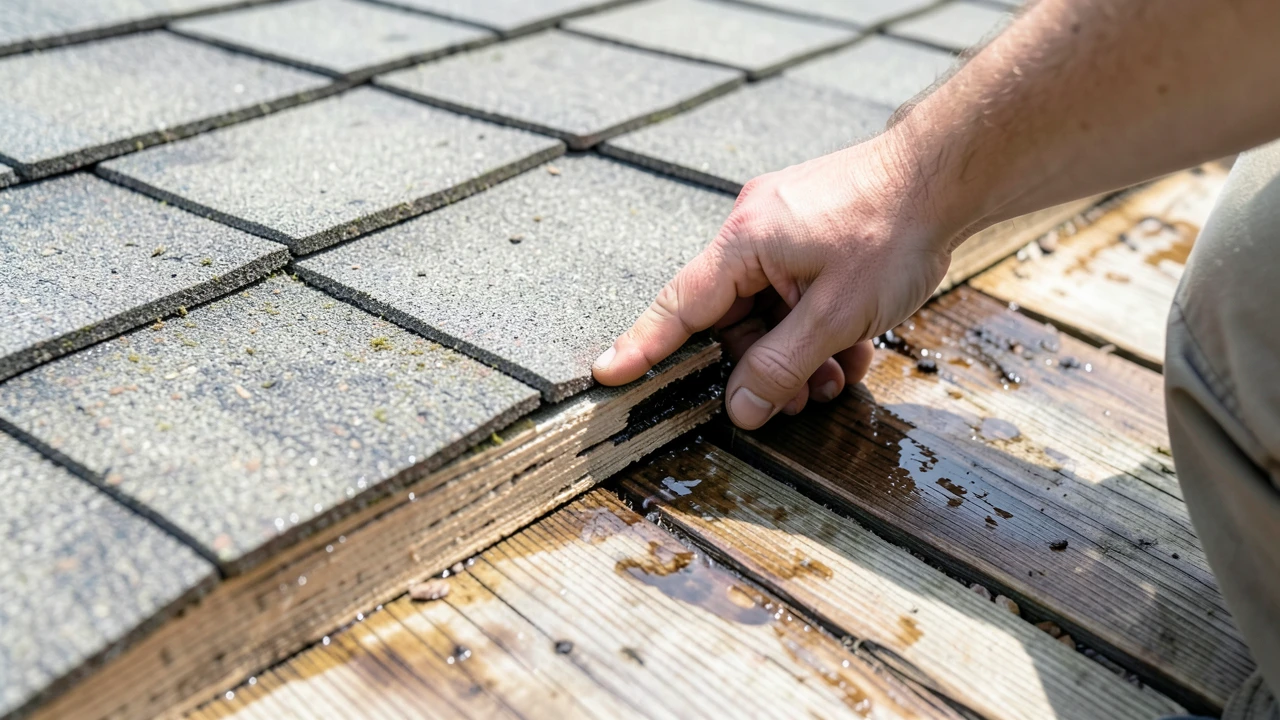
The immediate concern when you spot missing shingles is water penetration. While this seems obvious, it’s crucial to understand how quickly that small point of failure can escalate into a major structural crisis. A single gap allows rain or storm runoff to seep past the surface layer and begin attacking the components beneath-the plywood sheathing, the underlayment, and eventually, the rafters themselves.
This is where the concept of secondary damage becomes your biggest cost objection. You might think you are paying for a $50 patch job, but if that patch fails because it didn't address the underlying flashing failure near a chimney, you end up needing an emergency structural repair-a bill that dwarfs the original estimate.
Think of your roof as a layered system:
- Shingles: The sacrificial armor layer (the visible part).
- Underlayment: The waterproof blanket beneath the shingles.
- Decking/Structure: The skeleton of the house.
When we talk about missing or damaged shingles, we are primarily focused on protecting that pristine structure and maintaining your property's valuable curb appeal. Our job is to look past the surface damage to find out why it happened in the first place, ensuring the repair is a true fix, not just a temporary patch.
The Homeowner's Quick Guide: Diagnosing Missing Shingles vs. System Failure
It’s natural to want to take charge and assess the situation yourself. As your trusted local expert who sees this every day right here in Bishop Arts, I recommend treating observation as an educational exercise rather than a diagnostic tool. Your goal is not to fix it; your goal is to gather information that helps you speak intelligently with us when you call for service.
Visible Damage Checklist (What You Can Safely Observe)
When inspecting from the ground or safely on ladders, look for these signs of visible damage:
- Lift: Shingles that are visibly lifted at the edges or along their length. This often indicates granular loss and drying out.
- Curling/Cupping: Instead of lying flat, shingles may appear to be cupped (like a bowl) or curled up at one edge. This is a major sign of age or moisture retention.
- Granule Loss: While some granule shedding is normal wear, widespread loss across an entire section indicates the shingle is nearing its end-of-life.
The Pro's View: Root Cause Analysis (What You Can’t See)
While visible shingles are concerning, the real danger often lies beneath the surface. This is the critical difference between a homeowner observation and a professional assessment. We look for evidence of failure in these hidden areas:
- Flashing Failure: Flashing surrounds penetrations like chimneys, vents, and wall joints. If any flashing material (metal or sealant) looks rusted, cracked, or lifted at the edges, that is an immediate leak path waiting to happen. This is a high-cost objection point we must address upfront.
- Underlayment Tears: Extreme stress from wind or debris can tear the underlying waterproof membrane. Only climbing onto the roof allows us to pinpoint this crucial failure.
- Gutter and Drain Issues: Blocked or compromised gutters mean water overflows, washing away protective granules and undermining the shingles below them.
If you notice multiple areas of wear across different sections of your roof, or if you have visible signs of past leaks around structural edges (like vents or chimneys), it suggests that a simple patch job is unlikely to solve the underlying system problem. When those indicators are present, understanding signs your roof needs replacing becomes paramount.
A Professional Approach to Residential Roof Repair (The Process)
When you decide that professional help is needed-and based on our experience, if you're unsure, it’s always better to call us first-you want a process that is transparent, respectful, and meticulous. We treat your roof repair like protecting the long-term investment that your home represents.
The Inspection: Seeing Before Quoting
The moment we arrive at +1 469-589-3827, our very first step is not quoting; it's inspecting. We conduct a thorough, detailed assessment of the entire roofing system and surrounding elements. This ensures we are catching all potential leak paths-from the flashing to the gutter lines-and that any quote you receive reflects every necessary element for a true fix.
Addressing Disruption: Respecting Your Property
We know how disruptive major repairs can be, especially in tight-knit areas like those around Bishop Arts. We understand that noise and debris are high stressors. Our crews are trained to respect your property immediately. This means meticulous site cleanup is non-negotiable. All removed materials and debris are hauled away, and the immediate area surrounding the work zone will look better than when we arrived.
Scoping the Repair: Patch Job vs. Full System
During our inspection, we break down the scope into clear tiers for your understanding:
- Simple Shingle Replacement: Addressing localized, minor wear in a small, manageable section.
- Localized Patch Jobs: Used when structural elements (like flashing) need reinforcement alongside shingle replacement. This is common and highly targeted.
- Full System Assessment/Replacement: When the damage indicates that multiple systems have failed across the roof plane due to age or repeated weather trauma.
We will never push for an unnecessary upgrade, but we will educate you on why a simple patch might fail quickly if the underlying structure is compromised. Our goal is always lasting protection.
Beyond the Patch: When Missing Shingles Point to a Full System Overhaul
This transition from "repair" thinking to "replacement" thinking is often the most difficult for homeowners, largely due to cost anxiety. However, based on our 24 years in Central Texas roofing, I can tell you that if you see widespread damage-not just isolated patches-it usually means the entire system has reached its effective end-of-life.
The best roof isn't about the cheapest material; it's about matching the right system to how your home actually lives in this climate.
The Cost-Benefit Analysis: Prevention vs. Emergency
It’s essential to reframe replacement not as a sudden, massive expense, but as preventative maintenance-a predictable investment against unpredictable emergencies. If you spend money on multiple emergency repairs over five years (re-sealing flashing, patching leaks, replacing gutters), the cumulative cost often approaches or exceeds the price of installing a modern, durable roofing system upfront.
We are here to guide you through this how much does shingle repair cost vs. full replacement discussion so you can make an informed financial decision that protects your asset for decades.
Storm Resilience and Longevity
Our region experiences intense weather cycles-severe hailstorms and high winds are common. When we look at a roof overhaul, we focus on resilience. This means discussing impact-resistant shingles or higher-grade materials (like metal roofing systems) designed to withstand the specific stresses of Central Texas. A modern replacement isn't just about looking new; it’s about being engineered to survive your climate.
Protecting Your Long-Term Investment in Bishop Arts and Beyond
When your home is a long-term investment-and we see this every day across neighborhoods from Knox-Henderson to Lakewood Heights-the maintenance of its exterior, including the roof, becomes part of preserving its overall value.
We are not just local roofing contractors; we are highly invested neighbors who understand the unique aesthetic and financial considerations of owning property in our area. We know what makes a great neighborhood home around Bishop Arts requires meticulous craftsmanship.
Proactive Care: The Annual Inspection Mindset
The best way to protect your curb appeal is to never wait for a visible leak. Think of an annual roof inspection as proactive maintenance, similar to having an HVAC tune-up. It costs far less than the stress and cost of emergency storm damage or discovering mold growth from a slow, unnoticed leak.
Navigating the Claims Process
If you are dealing with recent storm damage, navigating the insurance claim process can be overwhelming. We want to assure you that while we respect your right to work with any contractor, our expert assessment is critical because we understand the fine print of local building codes and weather-related claims better than anyone. We act as a knowledgeable partner in that journey, ensuring the repair scope is accurate and complete.
Ultimately, whether the solution for missing shingles is a minor patch or a full structural overhaul, reliable diagnosis remains the most crucial first step toward peace of mind. Don’t let an apparent small issue jeopardize your home’s entire structure. Call us at +1 469-589-3827 today for a thorough, no-obligation assessment and start protecting your long-term investment right here in Bishop Arts.